How To Reduce the Risk of Dry Socket After a Tooth Extraction
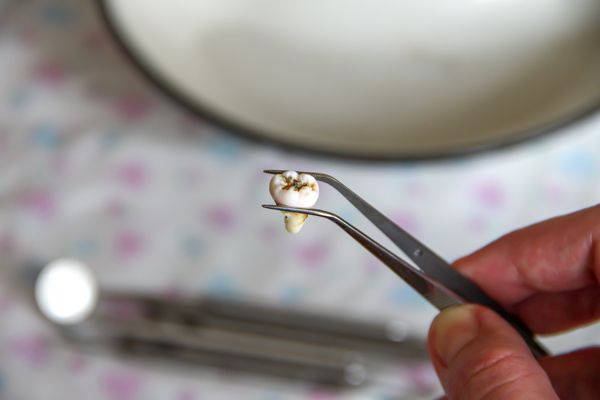
A involves removing damaged, decayed, or impacted teeth. While recovery is usually straightforward, complications can happen. For instance, dry socket is a condition that occurs when the protective blood clot at the extraction site is dislodged or dissolves too soon, exposing the underlying bone and nerves. Fortunately, dry socket is preventable with proper care.
Tooth extractions and dry socket
Tooth extractions are routine procedures that general and family dentists use to remove a problem tooth from its socket in the jawbone. After extracting the tooth, a blood clot naturally forms in the empty socket. This clot acts as a protective barrier that facilitates healing and prevents infection. In most cases, the clot stays in place, allowing the area to gradually recover over the following days and weeks.
Dry socket, medically referred to as alveolar osteitis, occurs when this clot becomes dislodged or fails to develop properly. Without this protective layer, the socket is exposed to air, food, and bacteria, which can cause pain and prolong healing. This condition usually develops within three to five days after a tooth extraction and is more common in lower molar removals.
Common dry socket symptoms include sharp pain, visible bone in the socket, bad breath, or an unpleasant taste in the mouth. Prompt treatment from a general or family dentist can relieve symptoms and support the healing process. Still, prevention remains the most effective approach.
Ways to reduce the risk of dry socket
In general, preventing dry socket involves following the general or family dentist’s post-operative instructions closely to rest and recover. A few simple precautions can significantly reduce the likelihood of complications and promote faster healing. These include:
Avoid straws and suction
Using a straw can create suction inside the mouth, which may dislodge the blood clot that forms after tooth extraction. This suction can disturb the delicate healing tissue and leave the socket vulnerable to irritation, infection, or dry socket. To avoid this, patients can drink directly from a glass and avoid any actions that require suction, such as smoking, for at least several days.
Eat soft foods
In the days following a tooth extraction, choosing soft, easy-to-chew foods can help protect the extraction site and minimize irritation. Hard, crunchy, or chewy foods can disturb the socket or cause debris to become trapped in the wound. Opting for items like yogurt, mashed potatoes, applesauce, and smoothies (without using a straw) can support healing while providing necessary nutrition. These foods require minimal chewing and reduce the likelihood of disrupting the blood clot or causing accidental trauma to the area.
Be gentle when brushing
Oral hygiene is essential after a tooth extraction, but take care not to disturb the healing socket. Gentle brushing and rinsing help prevent infection without disrupting the clot. The area surrounding the extraction site can be brushed with a soft-bristled toothbrush, avoiding direct contact with the empty socket. The dentist may recommend avoiding brushing the extraction site for the first 24 hours and using a saltwater rinse instead.
Protect your smile after tooth extraction
With aftercare and time to rest, patients can make a smooth recovery from tooth extraction. To learn more about avoiding dry socket and recovering after an extraction, reach out to Smiles By Design. We can address any questions and concerns you may have in an appointment.
Request an appointment here: https://drcaffeyearle.com or call Smiles By Design at (972) 528-5536 for an appointment in our Flower Mound office.
Check out what others are saying about our dental services on Yelp: .
Recent Posts
Curious about when tooth extractions are needed? Read on to learn more. Tooth extraction is when the tooth is removed completely from its socket. Tooth extraction is hardly a procedure anyone looks forward to, but the majority of the procedures are fast and painless. So do not be alarmed if your dentist starts talking about…
If you are in need of a tooth extraction, you may be wondering how long it will take to heal from this procedure. Let's discuss the various reasons for having a tooth extracted, the extraction process itself, and the healing process.There are a variety of reasons why someone would need a tooth extraction. A tooth…
When a sports-related collision or fall occurs, an emergency dentist helps protect teeth, gums, and the jawbone from lasting harm. Dental trauma often looks minor at first, yet hidden cracks or nerve injuries may develop quickly. Acting fast supports comfort now and better outcomes later. Knowing what first steps to take can make all the…
Infection and swelling mean that you have a major problem in your mouth that needs emergency dentistry, so you should seek a dentist right away. Dental emergencies can change the course of your life when it comes to your face and smile. If you prioritize seeing a dentist right away, it can save you tons…